
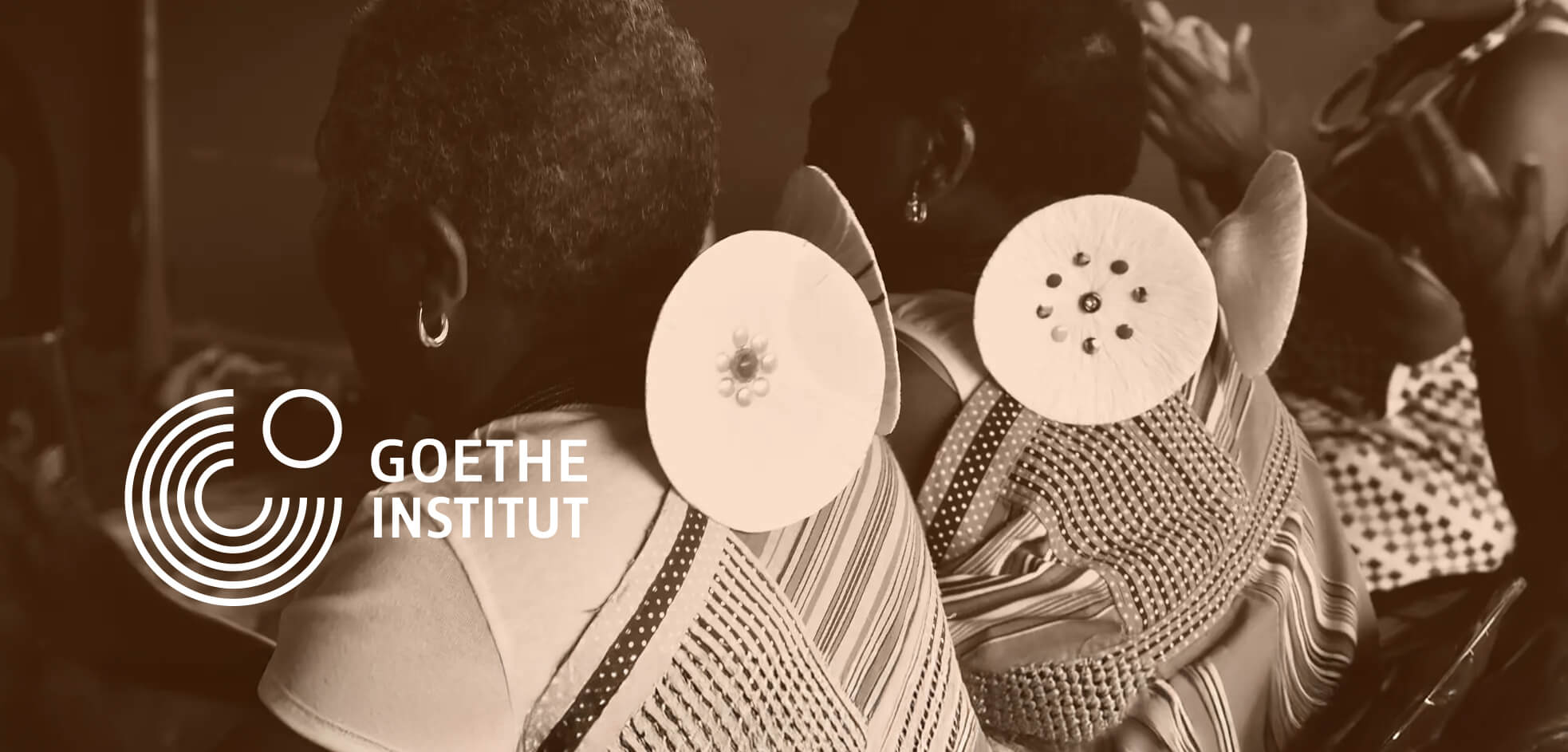
A grant window just re-opened — and creators should be in the room
Credits: Goethe-Institut (Africa–Europe Partnerships for Culture: Southern Africa; funded by the European Union).
Goethe-Institut has re-opened its call for Grants for Co-creation of New Heritage Narratives in Southern Africa. The applications are aimed at eligible non-profit heritage organisations, but the programme is built on collaboration with artists, creatives and communities.
If you’re a creator in the region, this is a real opportunity to be brought into a funded “narrative cluster” — not as a side add-on, but as part of the core storytelling team.
What’s on offer (the basics)
- Grant size: up to €55,000 per selected heritage organisation.
- Timeframe: funding is described as running over an 18-month project cycle (see FAQ), while the call document also references presenting narratives to local audiences over a 15-month period.
- Model: each selected organisation leads a Narrative Cluster, working with approximately nine artists/creatives from at least three Southern African countries, producing multiple co-productions and presenting outcomes through public events.
Who can apply (Southern Africa)
This call is for non-profit, non-governmental legal entities registered in: Botswana, Eswatini, Lesotho, Namibia, South Africa, Zimbabwe.
Key eligibility signals:
- You must be connected to tangible heritage (e.g., a site/building) or intangible heritage (e.g., folklore, music, craft practices).
- UNESCO World Heritage Sites are not eligible to apply. (UNESCO-affiliated heritage organisations may apply — confirm definitions in the FAQ.)
- Preference is given to lesser-known heritage and work beyond major urban centres.
Deadline + where to apply
- Deadline: 13 February 2026
- Info page: Goethe-Institut — Calls: Southern Africa (AEPC)
- Application portal: Goethe-Application Portal (GAP)
If you’re a creator: how to plug in (without being the applicant)
You don’t need to be the applying organisation to benefit — you need to be on the cluster plan.
- Send a one-page collaborator pitch: Include what you do, where you’re based, 2–3 proof links, the heritage thread you want to work with, and what you can deliver (film, sound, performance, photo, writing, installation, workshops).
- Offer a “cluster-ready” idea (not a full proposal): Bring a narrative question + a simple co-creation pathway: research → community sessions → prototype → public sharing.
- Put credits and rights on paper early: Heritage projects often create new recordings, films, photos and sometimes new music. Agree upfront on permissions, credits, and how new works will be documented.
publishing lens
If original music is created, clear splits and credits from day one helps protect the relationships and long-term value of the work.
One clear next step
Before 13 February 2026, send your one-page collaborator pitch to at least two eligible heritage organisations in your country and ask to be included in their Narrative Cluster plan.
Sources
- Goethe-Institut — Calls Southern Africa (AEPC): “Grants for Co-Creation of New Heritage Narratives” (accessed Jan 2026)
- Goethe-Institut — Heritage organisation grants (AEPC Southern Africa) (accessed Jan 2026)
- Goethe-Institut South Africa — Heritage Organisations: Frequently Asked Questions (accessed Jan 2026)
- Goethe-Institut — Call for Proposals PDF: “SA Grants for Heritage Narratives 2026” (PDF; accessed Jan 2026)
- European External Action Service (EEAS) — AEPC Southern Africa Call for Proposals (Heritage Organisations) PDF (PDF; published 2025; accessed Jan 2026)
- Goethe-Application Portal (GAP) (accessed Jan 2026)
- Goethe-Institut Johannesburg — Instagram post announcing the re-opened call (posted Jan 2026; accessed Jan 2026)
- Music In Africa — Open call: Cultural grants for heritage organisations in Southern Africa (published Jan 2026; accessed Jan 2026)


