
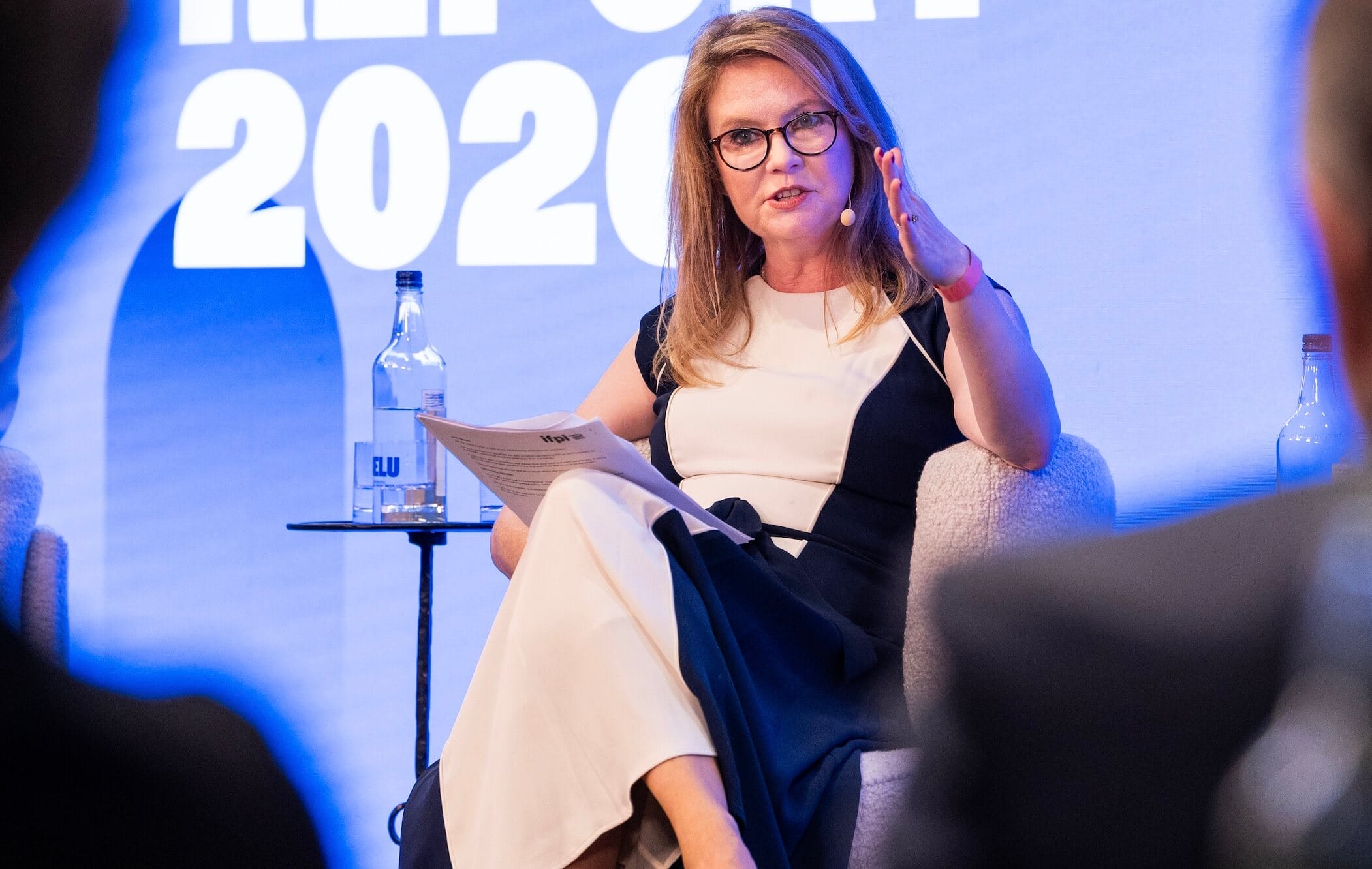
Growth is up. So are the pressure points.
Credit: Victoria Oakley interview via Music Business Worldwide and market data via IFPI’s Global Music Report.
In the interview published alongside IFPI’s Global Music Report 2026, Victoria Oakley makes the case that recorded music is entering its next phase with momentum and risk in the same frame. IFPI says global recorded music revenues grew 6.4% in 2025 to US$31.7 billion, with paid subscription streaming up 8.8% and 837 million paid accounts worldwide. Streaming remains the clear engine of the market, with overall streaming revenues passing US$22 billion.
For African readers, the headline is not only scale. It is continued regional growth. IFPI says Sub-Saharan Africa grew 15.2% in 2025 to US$120 million, with South Africa still the region’s biggest market at 78.1% of regional revenues. That is slower than the region’s 2024 growth rate, but it still leaves Sub-Saharan Africa ahead of the global average and firmly part of the wider conversation about where music’s next expansion is coming from.
AI is now a licensing story
Oakley’s framing on AI is not anti-technology. It is pro-permission. In the interview, she argues that the industry is already building licensing relationships with generative AI developers, and warns against broader text-and-data-mining exceptions or compulsory licensing models that could weaken negotiated rights markets. IFPI’s wider position follows the same line: the goal is an ecosystem where AI supports and enhances human creativity rather than replacing it.
For creators and rights-holders, that shifts AI out of the abstract and into familiar territory. The core questions are straightforward: who gets to use creative work, on what terms, with what consent, and with what payment trail? Oakley’s argument is that governments should not undercut licensing frameworks at the very moment those frameworks are becoming more important.
Streaming fraud is not a side issue
Oakley is equally direct on fraud. She argues that current responses are still not strong enough, and calls for tighter onboarding, stronger checks at upload, better takedown systems, and more intelligence-sharing across platforms and distributors so bad actors cannot simply move from one service to the next. IFPI has framed the issue in even starker terms, describing streaming fraud as theft.
That matters in growth markets because fake activity does more than inflate vanity metrics. It can distort discovery signals, misdirect revenue, and make it harder for genuine creators to prove traction to partners, buyers and collection systems. In that sense, fraud is not only a platform issue. It is a value-chain issue.
What stands out from Oakley’s comments
The wider message in Oakley’s interview is that the recorded music business is still growing, but the quality of that growth will increasingly depend on trust, rights clarity and enforceable standards. Subscriber growth and premium tiers may still be pushing the market forward, but AI and fraud are becoming structural questions rather than side debates.
That is what makes this moment notable. The conversation is no longer only about scale. It is also about legitimacy: whether markets can keep expanding while preserving consent, value and accountability across the music chain.
Credits
Music Business Worldwide interview with Victoria Oakley
IFPI Global Music Report overview


