
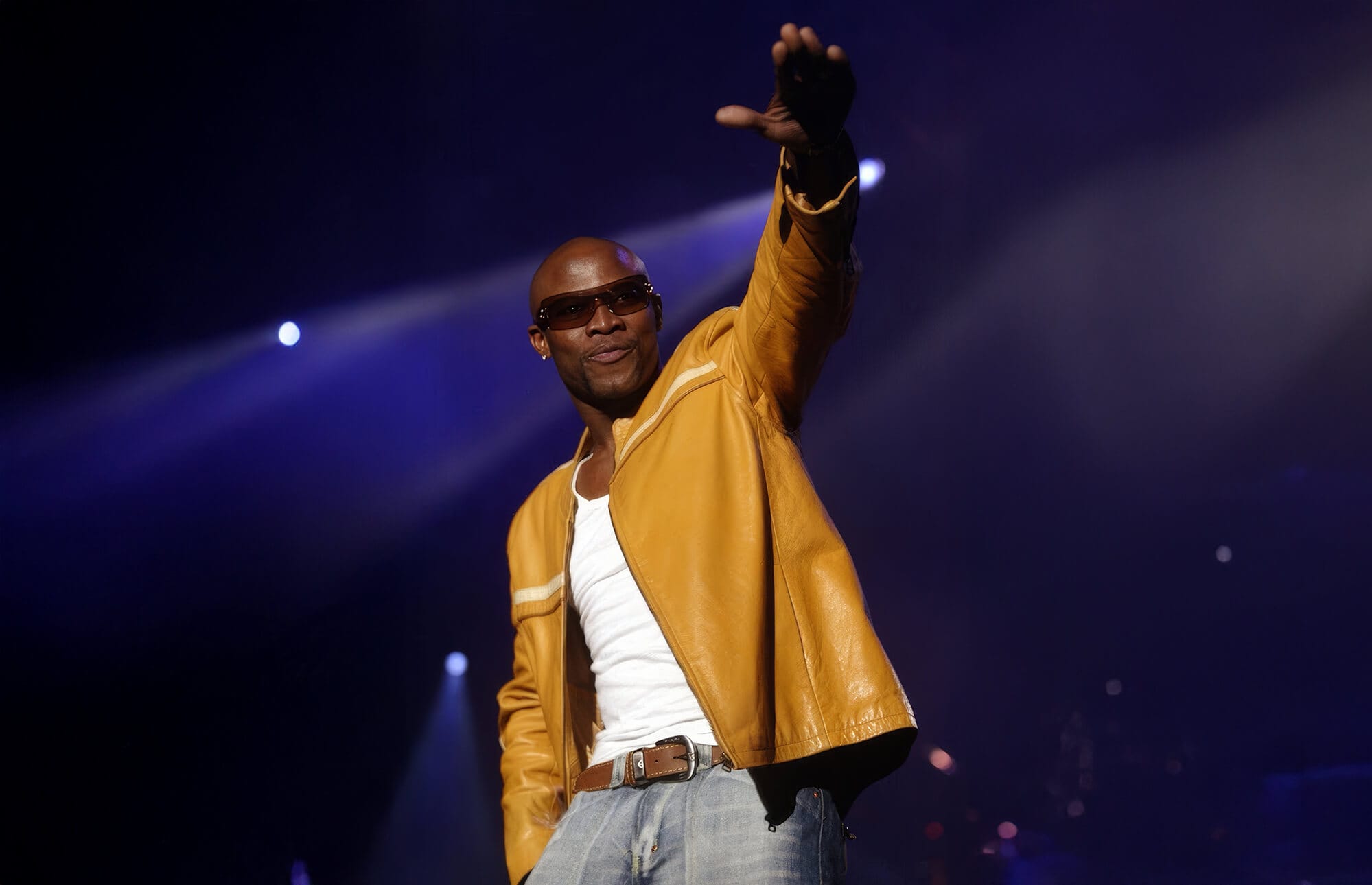
The first time the beat dropped
The first time “Nkalakatha” shook a sound system in the early 2000s, it didn’t ask for permission. It arrived in taxi ranks and school yards, on rugby fields and dance floors, until Mduduzi “Mandoza” Tshabalala’s rallying cry belonged to every corner of South Africa.
Twenty-five years later, that same anthem is getting a new chapter. Mandoza’s wife, Mpho Tshabalala, is building Nkalakatha Fest ’25 as a celebration of her late husband’s legacy and a love letter to the people who turned the song into a national ritual. The festival is set for Saturday, 20 December 2025, at the Johannesburg Expo Centre (Nasrec), with gates expected to open in the late afternoon and the party rolling into the early hours of the morning.
A song that escaped its genre
When “Nkalakatha” dropped, it was born out of kwaito – but it never stayed in one lane. It moved from kasi clubs to mainstream radio, from township five-a-side tournaments to white suburban house parties, until it became a rare thing in South African music: a song that could unite people who agreed on almost nothing else.
Over time it turned into a kind of cultural shortcut. If you wanted to say, “We’re all in this together” at a braai, a match, a club night or a rally, you could just let that bassline roll in. In a country carrying both deep division and deep rhythm, “Nkalakatha” managed to sit at the centre – rough, joyful, insistent.
Mandoza’s passing in 2016 could have frozen the song in nostalgia. Instead, his family has kept it active: tributes at major events, renewed interest in his catalogue, and now, a festival that treats “Nkalakatha” not as a museum piece but as a living, working part of South Africa’s sound.
Building a movement, not just a show
Nkalakatha Fest ’25 takes that spirit of unity and stretches it into a full-day experience. It’s framed by the organisers as a “movement of unity”, not simply a once-off concert. Instead of only booking kwaito veterans, the vision pulls in rock bands, amapiano stars, maskandi icons and gqom energy on the same bill – an echo of the way the original song travelled through every scene.
At the heart of the site will be the Nkalakatha Village, an immersive festival zone where food, fashion, art and brand experiences sit alongside the music. It’s designed less like a conventional concert concourse and more like a pop-up township – a place where local cuisine, streetwear, visual art and merchandise meet fans face-to-face. In an African context, that kind of village is not just décor; it’s a micro-economy, a chance for small businesses and creatives to plug into a story they already helped build.
The number 25 sits quietly in the background as a kind of organising principle: 25 years of the song, a 2025 festival date, and a longer view of where this legacy could go. It’s less about a round number and more about proving that African catalogue doesn’t have to fade once the charts move on. Songs that were built for the dance floor can grow into institutions.
In that sense, Nkalakatha Fest is also about how African families, estates and communities take ownership of their own stories. Mpho is not only preserving memories; she is steering a cultural asset that still has economic and social life in it. The festival gives fans a place to gather, but it also gives the estate a platform to reintroduce Mandoza’s wider body of work to a new generation.
From anthem to opportunity
One of the most striking elements of the plan is the Nkalakatha Bursary Fund, set to launch on 17 January 2026 – Mandoza’s birthday – and support an initial cohort of 25 students with registration fees. A song that once powered people through tough weeks and township celebrations is now being routed directly into education – a very South African kind of full circle.
For many families, the cost of tertiary study is the cliff where dreams fall off. Linking a bursary fund to a beloved anthem shows a different way to think about legacy: not only statues and playlists, but practical help that moves young people forward. It’s a reminder that African hits can become community infrastructure, not just memories.
There is also a planned collaboration with sports-fashion brand Le Coq Sportif around the 25-year milestone. That kind of merch moment does more than sell T-shirts – it locks the song into everyday wardrobes, keeps the story visible in public spaces, and shows how African catalogue can live in fashion, sport and street culture all at once.
Even the ticketing choices speak to that bridge between access and ambition: tickets are reportedly priced across a range from roughly R350 through higher VIP tiers under R2 000. It’s an attempt to keep the gates open to core fans while still building a sustainable platform that can return year after year if the audience demands it.
What creators can learn from Nkalakatha’s next chapter
Beneath the headlines, there are clear lessons for African creators thinking about their own long game.
First, timing. Anniversaries are not just sentimental dates; they’re natural flashpoints for new campaigns. A five-, ten- or twenty-five-year mark can be the hook that brings media, brands and fans back to a song they already love.
Second, cross-genre thinking. “Nkalakatha” was always bigger than kwaito, and the festival reflects that reality. African creators sitting with a breakout track can ask: how far can this song travel? Which scenes, platforms or audiences haven’t met it yet?
Third, place. The idea of an Nkalakatha Village is a reminder that African music experiences are as much about food, fashion, language and social space as they are about the sound system. Building out those layers creates more touchpoints for partners, small businesses and fans to plug in.
Finally, there’s the question of stewardship. Mpho’s leadership shows the power of families and estates who actively manage rights, stories and partnerships instead of waiting for the market to decide. In a continent where many classics live on informally through bootlegs and half-remembered credits, that kind of intentional care can mean the difference between a cult favourite and a truly sustained legacy.
A quiet challenge to the continent
Nkalakatha Fest ’25 is, on the surface, a celebration of one artist and one era. But underneath, it reads like a challenge to the rest of the continent: what are we doing with our own anthems?
African cities are full of songs that already function as community code. The question is whether those songs are being left to nostalgia, or whether creators and rights-holders are treating them as foundations for festivals, education projects, community partnerships and cross-border collaborations.
For many African artists, the first step might simply be to look back. What in your catalogue still moves people in 2025? Which track makes a room shift within the first four bars? Those are the songs that can anchor anniversary campaigns, heritage events or social initiatives – if the rights are in order and the vision is clear.
If you’re a creator, start here
You don’t need a 25-year classic to begin. Pick one song that feels like a turning point in your journey and:
- Mark its next milestone in your calendar.
- Think about a real-world action that could grow from it – a small community show, a workshop, a scholarship, a collaboration.
- Make sure your credits, splits and registrations around that track are clean, so any new attention can translate into real value.
Nkalakatha’s story shows that when a song truly belongs to the people, its work is never done. The beat keeps going – the question is what you choose to build around it.


