
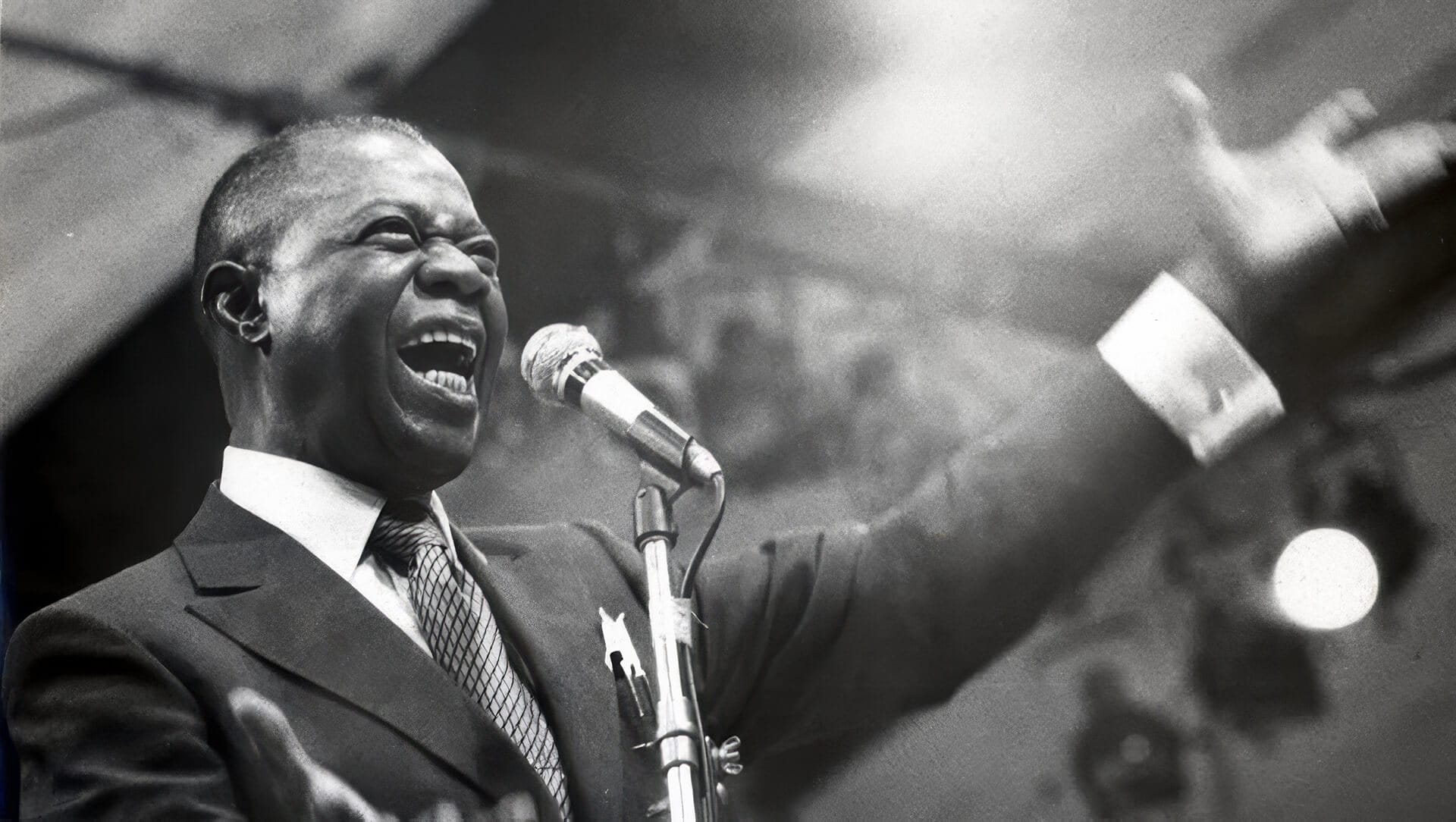
What African estates can learn from the Louis Armstrong Educational Foundation deal
Why this deal matters
On paper, legacy work looks simple: protect the name, keep the music alive, fund the mission. In real life, it’s a constant stream of decisions — film requests, documentaries, brand approaches, archive enquiries, sampling clearances — landing in inboxes that were never built to run like a business.
That’s the tension the Louis Armstrong Educational Foundation (LAEF) is signalling in its new licensing agreement with Downtown Music Publishing: how do you preserve a cultural legacy with integrity while still managing rights in a fast-moving global entertainment market? In LAEF’s framing, the answer is to professionalise licensing and administration so “authorized use” is overseen across music, media and other platforms — without losing the Foundation’s stewardship role.
For heritage catalogues across Africa, the lesson isn’t “copy the brand”. It’s: copy the operating model — clearer decision-rights, faster approvals, and mission-led boundaries that reduce conflict and speed up deals.
What foundations are buying when they appoint a licensing/admin partner
In practice, a licensing/admin partner is less “new owner” and more operating system for rights and requests.
Foundations typically appoint partners to:
- Create one source of truth for what can be licensed, by whom, and on what terms.
- Reduce admin drag: registrations, metadata, enquiries, invoicing, renewals, usage reporting.
- Professionalise approvals: who signs off, how fast, and with what paper trail.
- Expand reach without losing control: more inbound demand across territories and platforms.
- Support the mission: licensing income underwrites archives, education, performances, and programmes.
In the announcement, LAEF emphasises “integrity, vision and respect” and describes the deal as a collaboration to balance legacy preservation with rights management. Downtown’s statement mirrors that positioning: a partner supporting LAEF’s education and legacy mission while connecting more global audiences to Armstrong’s body of work.
Preservation vs commercial use: the real balancing act
Most estates get trapped in one of two extremes:
- Preservation-only: everything is “no”, momentum fades, and bootlegs/misuse fill the gap.
- Commercial-only: everything is “yes”, and the legacy gets diluted or pulled into controversy.
The workable middle is mission-aligned licensing:
- Define what “respectful use” means (in writing).
- Define “never” categories (tailored to the artist/estate).
- Define “yes, with conditions” categories (education, museums, documentaries, heritage programming).
- Define the approval ladder (fast-track vs full review).
Buyers can handle “no”. What they struggle with is uncertainty — inconsistent rules, slow approvals, and unclear authority.
What African estates can copy: governance that speeds deals
Across Africa, heritage catalogues often sit at the intersection of estate governance (executors/trustees/heirs), copyright and related rights (works vs recordings), and collective management systems. When decision rights aren’t clear, the catalogue becomes effectively un-licensable — even when demand exists.
1) Build a one-page decision-rights map
Create a simple matrix that answers:
- Who can approve what? (sync, samples, quotes/lyrics, merch, name/likeness, images, archives)
- What’s the threshold? (one signature, majority, unanimous, board resolution)
- What’s the turnaround? (48 hours / 5 business days / monthly/quarterly meeting)
- What is delegated to the partner vs kept in-house?
2) Separate mission guardianship from deal-making
A structure that scales:
- Board/Trustees: mission, ethics, strategy, “never” categories.
- Small licensing committee: approves reputation-sensitive uses.
- Admin/licensing partner: runs intake, negotiation, documentation, compliance, reporting.
This keeps cultural stewardship meaningful without turning every deal into a family summit.
3) Write a licensing policy like a brand book
Treat the legacy like a cultural brand with rules:
- Approved biography/context lines
- Approved imagery list (and who owns which rights)
- Name/likeness permissions
- Reputation and dignity clauses (where applicable)
- Community sensitivities (faith, language, political context)
This is where “regulatory context” becomes practical: many disputes aren’t about money — they’re about meaning.
4) Pre-build pathways for high-value opportunities
Catalogue opportunity isn’t only Hollywood. Common pathways for African estates include:
- Regional documentaries and biographical series
- Pan-African brand campaigns seeking heritage authenticity
- Tourism/city campaigns (heritage months, cultural festivals)
- Museum installations and educational programmes
- International compilations, reissues, and editorial placements
To move faster, pre-clear:
- A short list of “go-to” tracks
- Instrumentals/clean edits where possible
- Internal fee guidance (not public)
- A delivery checklist (metadata, cue-sheet fields, credits)
5) Put dispute prevention into the paperwork
If there are multiple stakeholders, bake in:
- An escalation path (committee → mediator → arbitration/litigation)
- Clear reporting cadence (e.g., quarterly)
- Audit rights and document retention
- Conflict-of-interest declarations
What to ask a potential partner (no surprises)
- Scope: Which rights are covered (works, recordings, name/likeness, images, archives)? What’s excluded?
- Approvals: What gets auto-approved vs escalated? What are the response SLAs?
- Territories: How do you handle cross-border licensing and society interactions?
- Data hygiene: Who fixes splits, identifiers and conflicts — and how fast?
- Brand safety: How do you screen sensitive contexts and categories?
- Reporting: What do statements include? How often? Deal-level visibility?
- Mission alignment: How is commercial activity kept consistent with the foundation’s goals?
One move to make this month
If you manage a heritage catalogue (estate, trust, family office, cultural institution): do a governance + rights-readiness review. The aim is simple — clearer decision-rights and licensing pathways that reduce conflict and speed up deals across Africa and globally.
Sources
- Downtown Music — “Downtown Music Publishing partners with The Louis Armstrong Educational Foundation” (5 Feb 2026)
- Louis Armstrong Educational Foundation — official website (accessed Feb 2026)
- Louis Armstrong House Museum — FAQ referencing LAEF’s role in the estate (accessed Feb 2026)
- WIPO — “Managing Intellectual Property for Museums” (guide; 2013; global)
- CISAC — Global Collections Report 2024 (24 Oct 2024; global)


