
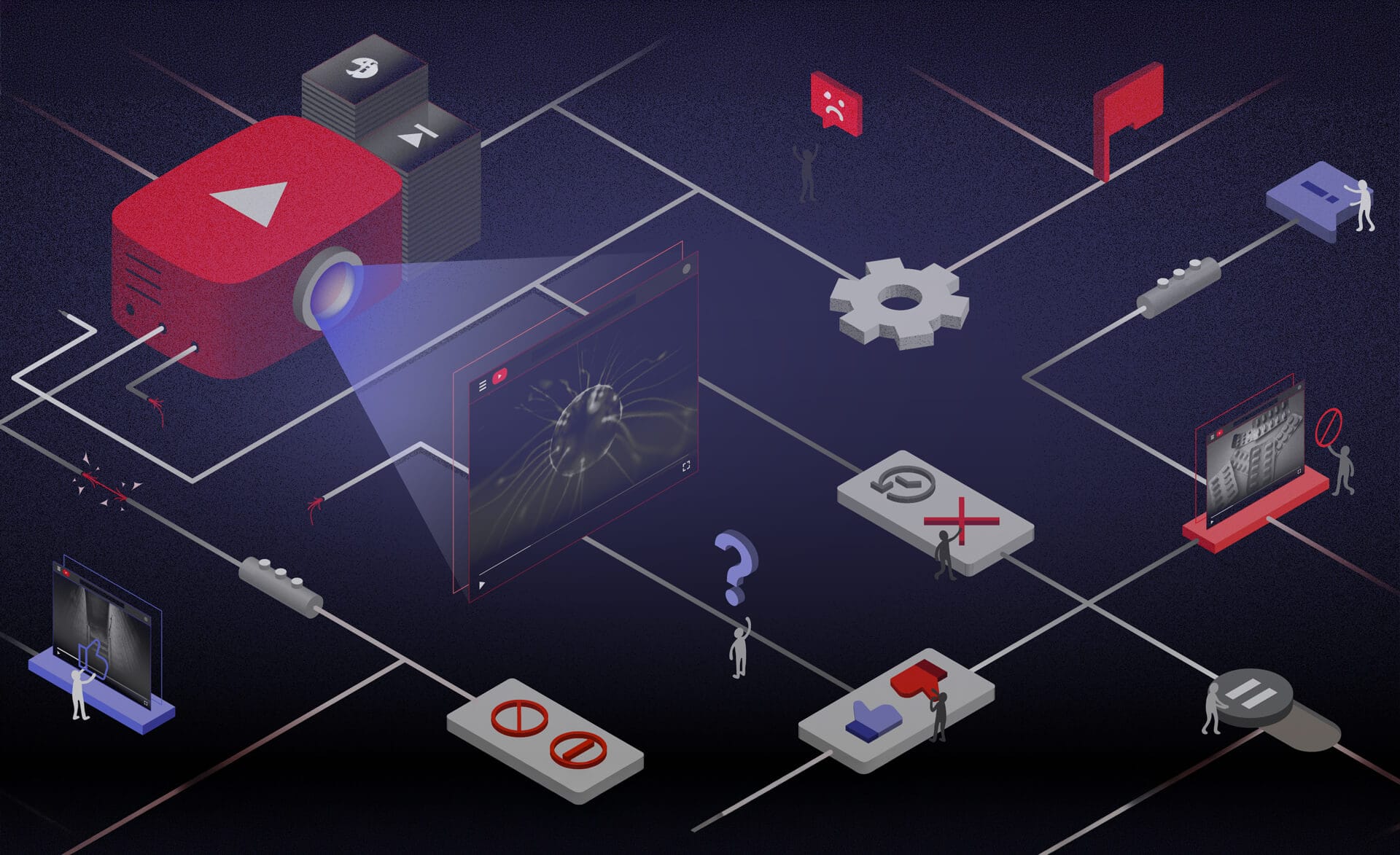
Content ID payouts are big. Your metadata decides if you see them
YouTube is a UGC (user-generated content) engine — and that’s exactly where rights value can leak if your
ownership records, metadata and reference files aren’t tight.
In May 2025, Music In Africa
reported YouTube had paid out $12 billion via Content ID as of December 2024
(global; company-stated figure) — a reminder that the money is real, but only if matches and claims are clean.
Africa lens: clean metadata + clear ownership protects publishing value in UGC ecosystems, reduces false matches, and prevents missed monetisation.
First: know which right you’re enforcing (and whether you can access Content ID)
Content ID is primarily built around sound recordings (the “master”).
Access is typically limited to rightsholders (or partners) who can provide eligible reference files and meet YouTube’s requirements.
For publishing (compositions), enforcement and monetisation on YouTube often runs through music publishing systems and partners
(including YouTube’s publishing-related tools and reporting), not always through the same “upload a reference file” flow you might associate with master owners.
Practical takeaway: before you “turn on Content ID”, confirm:
- Are you claiming the recording, the composition, or both?
- Do you have exclusive control (or clear authorisation) to claim?
- Are you accessing YouTube tools directly or via an approved partner/administrator?
Content ID in one minute (what it does)
Content ID matches user uploads against reference files supplied by eligible rightsholders/partners. When there’s a match, a policy can be applied — typically:
- Monetise (run ads and share revenue where applicable)
- Block (make the video unavailable)
- Track (collect viewership data)
Policies can be territory-specific (e.g., monetise in one country, block in another).
Monetise vs block: a practical decision framework
Blocking feels like “protection”, but it can also kill discovery and fan-led growth — especially for African catalogues travelling globally through dance challenges, edits, and diaspora channels.
Use this rule of thumb:
- Monetise by default for fan uploads, dance edits, lyric videos, and re-uploads where the audio is clearly your recording — unless there’s a clear reason to block.
- Block when the use is harmful or high-risk: full album rips, channels impersonating the artist, scam compilations, or uses that create brand/reputation issues.
- Track when you’re testing a new market and want data first (or where ownership is still being confirmed).
Watch-outs:
- If multiple claimants apply conflicting policies (e.g., one monetises, another blocks), policy resolution can end with a block — wiping revenue and momentum.
- Over-blocking can push fans to off-platform piracy or “sped-up”/re-pitched workarounds.
Reference hygiene: the unsexy work that protects money
Most Content ID pain is self-inflicted: messy references and unclear ownership create false positives, missed matches, and disputes.
Set up these basics:
-
Reference files that represent the exact audio you want matched
- Use clean, final masters (not snippets with long intros/outros that trigger odd matches).
- Avoid duplicates or near-duplicates unless there’s a documented reason.
-
One “source of truth” for ownership
- Keep a single, agreed split and ownership record per work + recording.
- Resolve writer/publisher splits before you scale claims.
-
Metadata alignment (work ↔ recording)
- Tie the work (publishing) and the recording (asset) correctly in your catalogue.
- Use consistent identifiers where you have them (e.g., ISRC/ISWC, writer IDs), and keep titles/artist names standardised.
-
Clean asset boundaries
- Don’t submit references that overlap heavily (e.g., a full album reference plus individual track references) unless your partner workflow requires it.
-
Issue monitoring cadence
- Check Issues/action queues regularly — ignored issues can become lost revenue, broken claims, or reputational damage.
UGC strategy that fits African catalogues
African music often breaks through via creator communities (dance, remix culture, football edits, comedy skits). A UGC-friendly strategy keeps your catalogue earning while still protecting rights.
Try this:
- Whitelist/allowlist your own channels and key partners (official artist channels, authorised partners).
- Create a “fan-friendly” policy set: monetise most UGC, block serial infringers, track edge cases.
- Territory logic: protect priority markets (e.g., SA, NG, KE, GH + diaspora) without choking global discovery.
- Speed matters: the first 72 hours of a trend can drive the long tail. Slow disputes = missed upside.
Common claim mistakes (and how to avoid them)
These are the mistakes that cost rightsholders the most time (and often money):
-
Claiming what you don’t exclusively control
Shared or unclear ownership triggers disputes, takedowns, and enforcement limits. -
Submitting bad references (wrong audio, duplicates, or overlapping references)
Leads to invalid matches, reference conflicts and enforcement problems. -
Confusing the work with the recording
Publishing ownership ≠ master ownership. Claim the right you actually control — and avoid overreach. -
Letting disputes become a workflow
Disputes should be exceptions. If they’re routine, your metadata/ownership needs a reset. -
Blocking by accident
Conflicting policy rules across claimants can lead to blocks even when you wanted monetisation.
A rightsholder-ready setup checklist
Use this as your minimum viable setup before you scale:
- Catalogue list with clean titles, writers, splits, and ownership notes
- Clear link between works (publishing) and recordings (assets)
- Reference files: clean masters, no duplicates, no overlaps (unless required)
- Default policy: Monetise, with defined block rules
- Territory notes where needed
- A weekly Issues check routine
Where Downtown Music Publishing Africa fits (and what we don’t do)
If you’re managing publishing rights, we help you clean the data, confirm ownership, and keep your catalogue buyer- and platform-ready
so UGC ecosystems don’t dilute value.
Next step: book a rights portfolio review
If your catalogue has repeat claim disputes, missing matches, or “random blocks”, book a rights portfolio review so we can map the root cause
(ownership, metadata, or references) and fix the workflow.
Sources
-
Music In Africa — “YouTube pays $12b via Content ID, boosts music monetisation” (28 May 2025, global; figure stated as of Dec 2024)
-
YouTube Help — How Content ID works (policies: block/monetise/track; territory-specific)
-
YouTube Help — Using Content ID (eligibility + guidelines; company-stated)
-
YouTube Help — Manage Content ID claims + policies (company-stated)
-
YouTube Help — Resolve Content ID issues (Issues queues; company-stated)


