
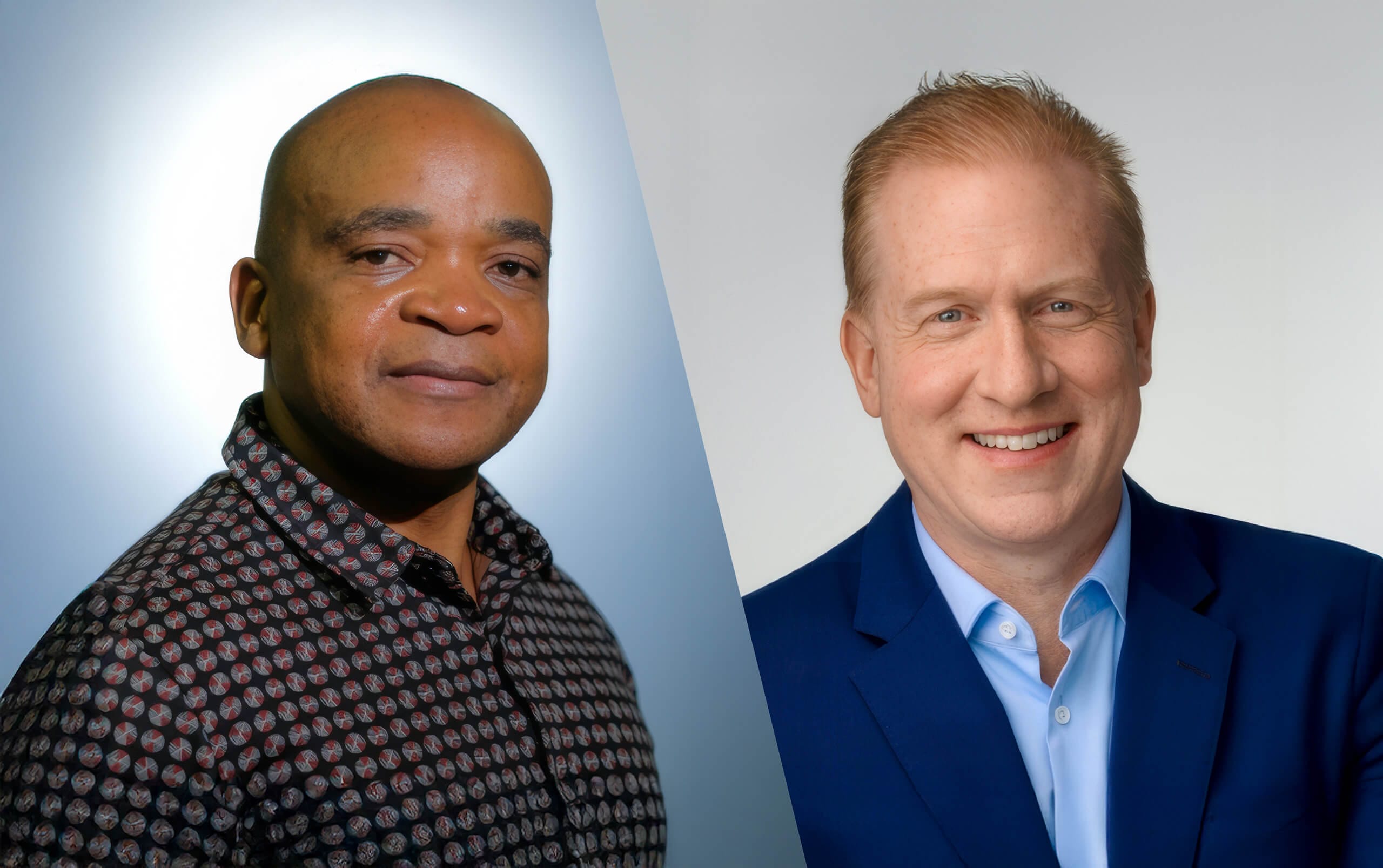
A door opens — and money can finally cross
In November 2024 (U.S./South Africa), SoundExchange and South Africa’s SAMPRA announced a reciprocal agreement connecting their neighbouring‑rights pipelines. (SoundExchange press release, 18 Nov 2024; PR Newswire index, 18 Nov 2024.)
Trade coverage framed it simply: for the first time, U.S. performers can be paid for South African broadcasts and public uses of their recordings. (Music In Africa, 20 Nov 2024; Music Business Worldwide, 18 Nov 2024.)
For many artists, this sounds technical. It isn’t. If a South African station spins your track, or a retailer in Cape Town plays your recording, there’s money owed on the sound recording side (“needletime” in SA). Before this deal, that money struggled to find U.S. performers. Now it has a path.
Two directions, two rulesets — same outcome: pay the performers
Think of two pipes running in opposite directions.
South Africa → United States. SAMPRA collects neighbouring‑rights income in South Africa (radio, TV, public performance of recordings). Under the new reciprocity, SAMPRA sends eligible U.S. performer shares to SoundExchange. For session players and backing vocalists on those recordings, the non‑featured portion lands at the AFM & SAG‑AFTRA Intellectual Property Rights Distribution Fund for onward distribution. (SoundExchange, 18 Nov 2024)
United States → South Africa. In the other direction, U.S. non‑interactive digital performance royalties (e.g., Pandora radio‑style) flow via SoundExchange to performers worldwide, including South Africans. U.S. law fixes the split at 50% rights owner / 45% featured artist / 5% to the Fund for non‑featured. That statutory split lives in the U.S. framework; South Africa’s local sub‑allocations for featured vs non‑featured can differ. Reciprocity connects the pipes; it does not overwrite local rules. (SoundExchange: Digital performance royalties — The Basics; SAMPRA FAQs: performer sub‑allocations)
What “retroactive to 2022” really means
Deals often start prospectively. This one reaches back. If your recording had South African spins or public plays from 2022 onward, you may have money waiting. That’s why the fastest wins here come from tidy data and a focused audit of the 2022→present window. (PR Newswire, 18 Nov 2024; Music In Africa, 20 Nov 2024)
A quick story: the featured artist, the sessionist, the spin
Picture a New York‑based rapper who featured a Joburg guitarist on a 2021 track, released globally with proper ISRCs. In 2023–2024, the single gets steady SA radio support. Under the old setup, the rapper (a U.S. featured performer) and the guitarist (a non‑featured performer) had a patchy route to SA neighbouring‑rights income. Under the new arrangement, SAMPRA collects needletime, routes the U.S. performer share to SoundExchange, and the non‑featured allocation to the AFM & SAG‑AFTRA Fund. Meanwhile, when that same track gets U.S. non‑interactive plays, SoundExchange pays out globally, including back to South African performers credited on the recording. Two pipes; cleaner paths.
Your leverage is in your metadata
- Roles that match reality. Mark Featured / Other Featured / Non‑Featured correctly for every track. Session players and backing vocalists are Non‑Featured. Wrong role = blocked money. (SAMPRA role definitions PDF)
- Identifiers that actually identify. The ISRC is the anchor. One track, one ISRC, used consistently across all submissions.
- Evidence that travels. Split sheets, liner notes, session call sheets, stems with embedded credits — the boring bits that win disputes and unlock back‑claims.
A focused 3‑step sprint (2022→present)
- Register at both collectives. U.S. performers: keep your SoundExchange account live and repertoire claimed. South African performers: ensure your SAMPRA membership/mandate is current, with per‑track roles set.
- Map every recording to an ISRC and a role. One spreadsheet works: Track | ISRC | Performer(s) | Role (Featured/Other Featured/Non‑Featured) | Notes.
- Audit for SA usage since 2022. Start with radio‑supported singles, collaborations with SA artists, and catalogue with known SA rotation. Flag anything with airplay or public performance evidence for claim.
Common snags — and how to avoid them
- Catalogue conflicts and label disputes. If the rights owner on a recording is contested, money stalls for everyone downstream. Resolve ownership before you file claims.
- Assuming U.S. splits apply in SA. They don’t. The U.S. 50/45/5 split is statutory for U.S. digital performance monies; South Africa uses its own performer sub‑allocations. (U.S. split explainer; SAMPRA FAQs)
- Counting on on‑demand streams. South African needletime covers broadcasts and public performance of sound recordings. On‑demand streams are typically out of scope — check society guidance.
Why this matters for African and U.S. creators now
African music’s radio reach is widening, and South Africa remains a heavyweight in regulated neighbouring‑rights collections on the continent. For U.S. performers with airplay in SA — especially hip‑hop, R&B, gospel, Afro‑pop, and Amapiano crossovers — this is new money. For South African performers with U.S. digital radio traction, the reverse pipe is equally meaningful. Better credits and cleaner claims turn cross‑border buzz into payouts.
A practical note on getting help
If your catalogue is busy or your credits are scattered across emails and DMs, bring in a publishing‑side team to clean credits, align identifiers, and organise claims across both pipes. Downtown Music Publishing Africa offers this service: credit clean‑up, ISRC mapping, role verification, and a focused 2022→present neighbouring‑rights claims sweep covering SA→US and US→SA flows. To start, send your ISRC list + performer credits; we’ll return a gap report and a priority claims list.
Book a short intake call to kick off your claims sprint.
Sources
- Image: SAMPRA CEO Pfanani Lishivha and SoundExchange President & CEO Michael Huppe.
- SoundExchange — “SoundExchange & SAMPRA Reciprocal Agreement Unlocks South African Performance Royalties for U.S. Creators” (press release; 18 Nov 2024)
- PR Newswire — Syndicated press release (18 Nov 2024)
- Music In Africa — “SAMPRA, SoundExchange forge landmark deal to unlock revenue for SA and US artists” (20 Nov 2024)
- Music Business Worldwide — “SoundExchange strikes royalty agreement with SAMPRA…” (18 Nov 2024)
- SoundExchange — “Digital performance royalties: The Basics” (U.S. statutory split)
- SAMPRA — FAQs for members (role and local allocation guidance)
- AFM & SAG‑AFTRA Intellectual Property Rights Distribution Fund — official site


